The story of Jowar
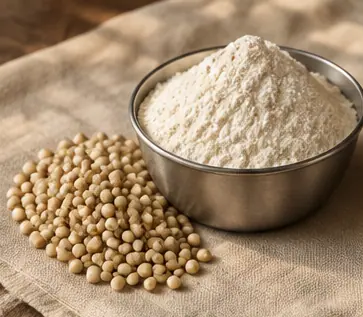
Jowar began in Africa, where sorghum was domesticated, and it travelled into India with early farmers. Over centuries it settled into the dry, red and black soils of the Deccan, where rain is unreliable and wheat struggles. It became the staple grain of whole regions.
Today Maharashtra leads India's jowar production by a wide margin, followed by Karnataka, Rajasthan, Tamil Nadu and Andhra Pradesh, according to dataset summaries compiled from government figures. Reports describe sorghum as a crop of semi-arid regions, valued for its drought resistance, which is exactly why it matters to farmers in dry districts.
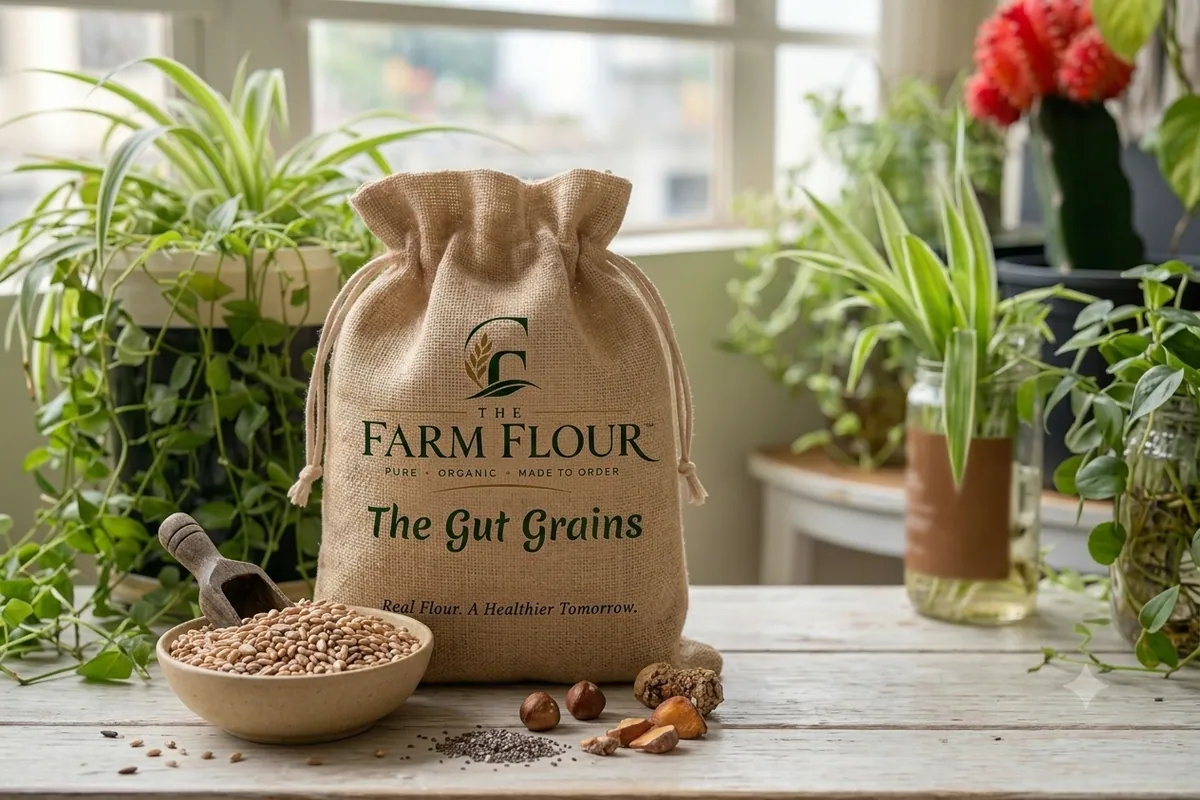
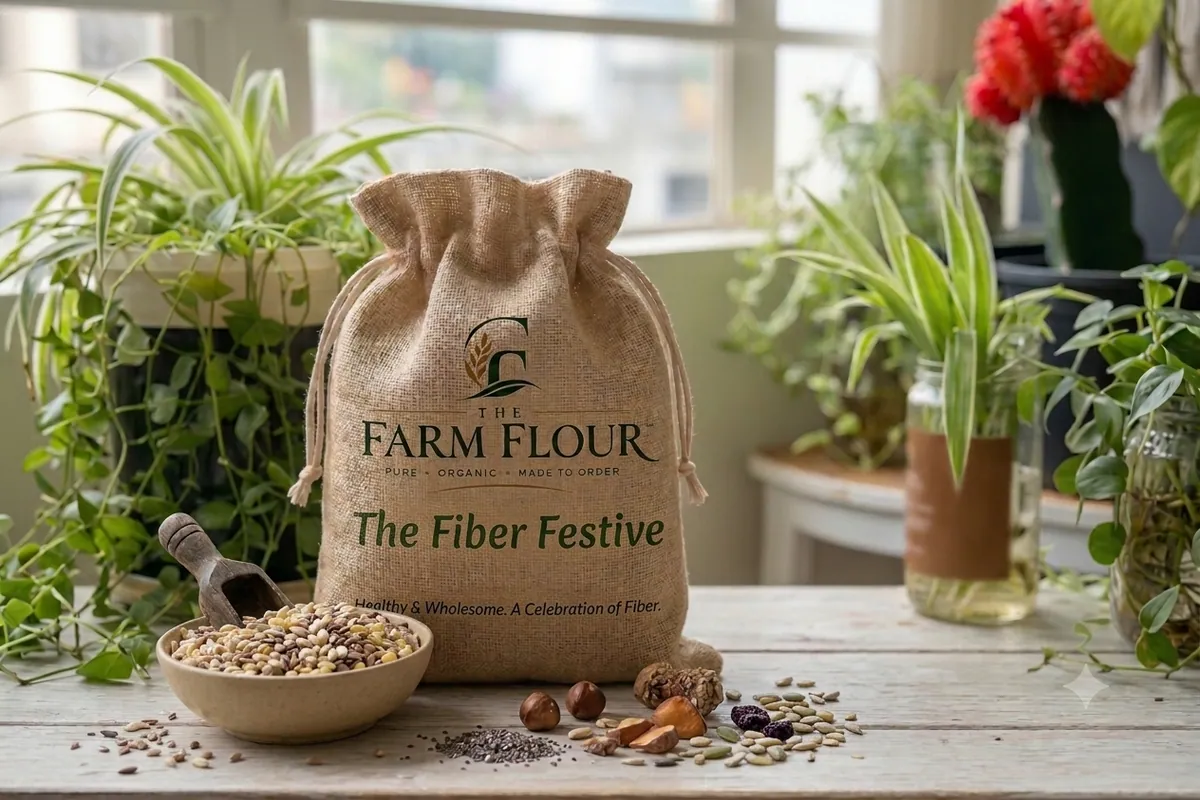
Jowar keeps a blend light on its feet.
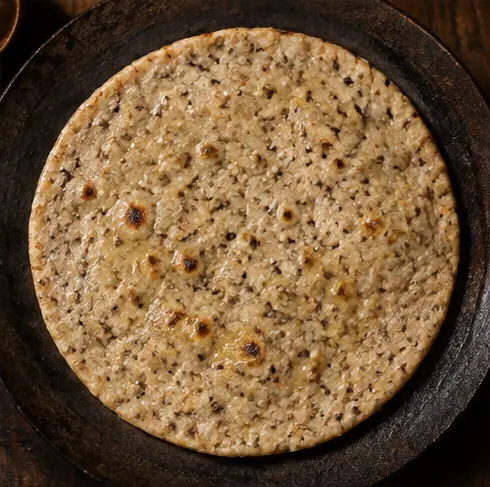
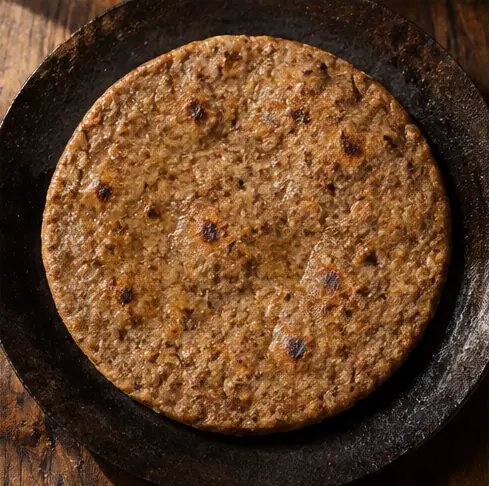
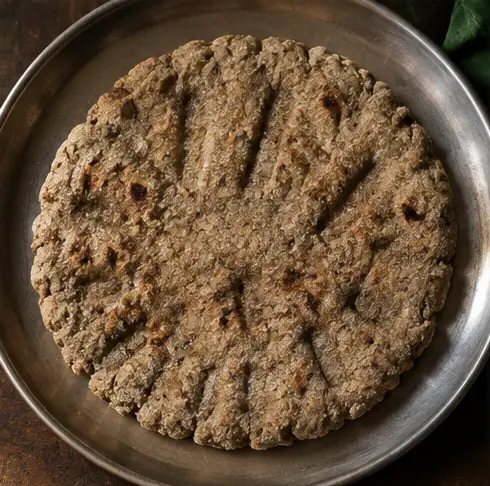
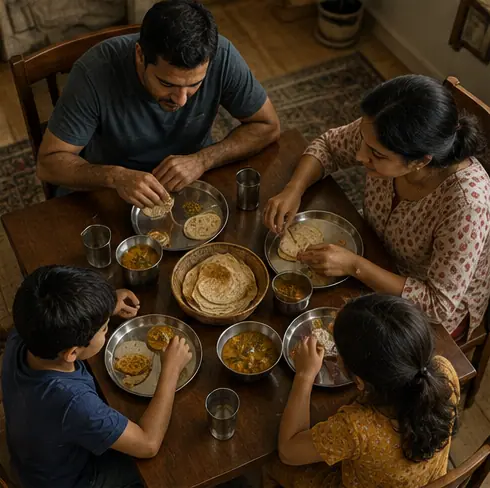
The food that grew around it is as varied as the map. In Maharashtra it is the jwari bhakri, eaten with a spicy thecha or a pithla. In north Karnataka it is the jolada rotti, thin and wide, patted out on a flat tawa with a wet hand. Andhra and Telangana have their jonna rotte.
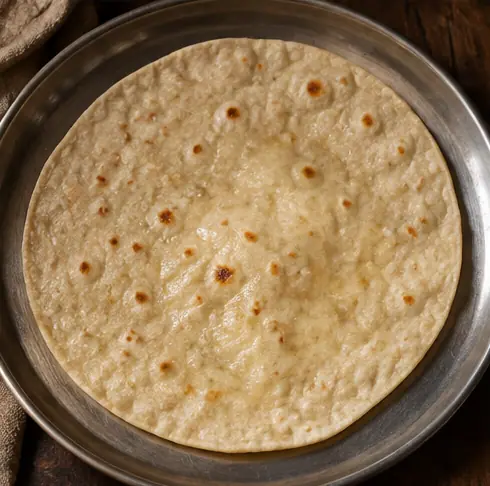
Jowar has no gluten of its own, so its dough does not stretch. Bhakri-making is a skill: hot water to start the binding, quick hands and a good deal of practice. That is the reason we pair it with wheat in most of our blends. A share of Sharbati or khapli gives jowar the structure to roll, while jowar keeps the flour light.