The story of Makki
Maize was domesticated in Mexico thousands of years ago and travelled to the rest of the world after Columbus. In India it is a relative latecomer. Most workers accept that the Portuguese brought it in the 16th century or later, though scholars still debate the date and the route.
The word itself carries a clue. Names for maize in South Asia, such as makka, makai and mukka, mostly come from a root linked to Arabic and Persian traders. A National Agricultural Library review notes that the Spanish and Portuguese names for maize did not survive in any South Asian language, which suggests that Arab and other Muslim traders played a part in bringing it here. The question is still open, and that is part of what makes this grain interesting.
Makki brings the sunshine. And a little sweetness.
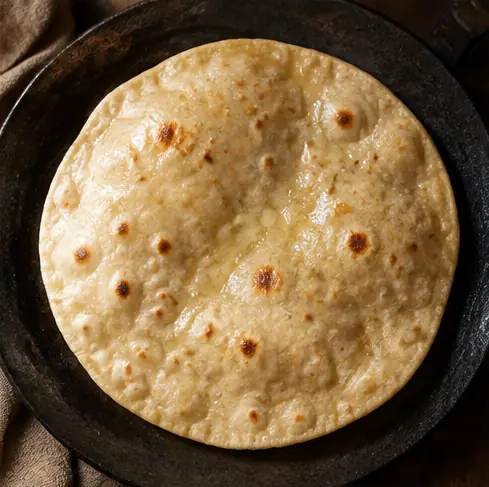
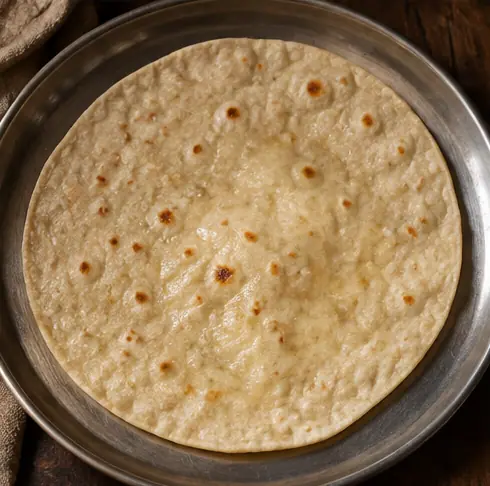
Whatever its route, maize found a home. It grew well in the plains and hills, it ripened fast and it made a flour that cooks into a soft, sweet bread. In Punjab it became makki di roti, patted by hand, cooked on a tawa, and served with sarson da saag, white butter and a dollop of jaggery. Today it is one of the most widely grown cereals in India, and a favourite winter food across the north.
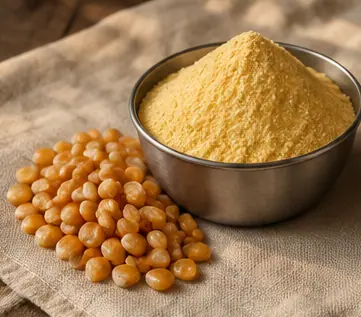
Makki's golden colour comes from natural carotenoid pigments, which is also why a little makki turns a blend sunny yellow. We use it in small amounts, 10 to 15 percent, to add colour, a gentle sweetness and a tender bite.