The Farm Flour

Where should we deliver?

Your pincode sets your city, cutoff and delivery slots across the site.

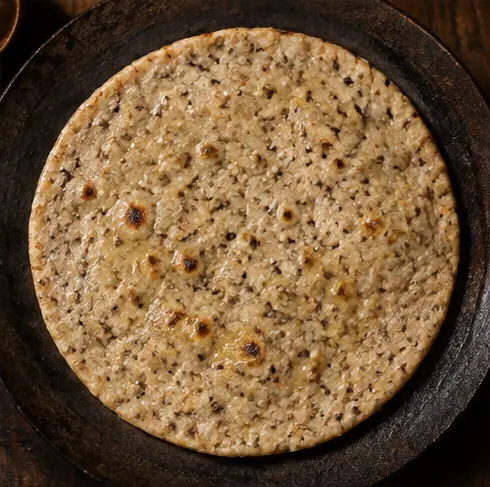
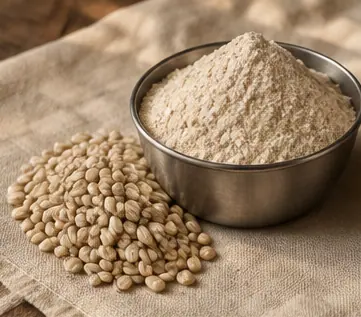
Barley (jau)

Mild, malty jau, one of the world's oldest grains and one of the richest in fibre.

  • Jau (Hindi)
  • Jav (Marathi)
  • Yava (Sanskrit)
  • Hordeum vulgare
  • जौ · బార్లీ · ಬಾರ್ಲಿ
Botanical name
Hordeum vulgare
Origin
Fertile Crescent (with a possible second centre in Tibet)
Grown in India
Uttar Pradesh, Rajasthan, the Himalayan belt, Ladakh
Season
Winter (rabi)
Gluten
Contains gluten
Flavour
Mild, malty, faintly sweet

Barley, jau in Hindi, is among the oldest grains in the world and one of the highest in fibre. It tastes mild and slightly malty, makes a tender, slightly chewy dough, and mixes easily with wheat. It has fed people in the Himalaya for as long as there are records.

The story of Barley

Barley is one of the first crops people ever domesticated. The earliest evidence of domesticated barley comes from the Fertile Crescent, with fully domesticated types found at sites such as Jarmo in modern Iraq, dated to roughly 9,000 to 7,000 BCE. Genetic studies also point to Tibet as an additional centre of barley domestication, and barley landraces of the Himalayas and India carry distinct genes of their own.

In Sanskrit, barley is yava, and it appears in the oldest Indian texts. The word is not always precise. In the Rigveda, yava seems to mean grain in general, but later texts use it clearly for barley, and scholars regard it as very probable that barley was already cultivated in the Rigvedic period. Barley also turns up in the Ayurvedic text Charaka Samhita, and in ritual, where yava is still offered in many Hindu ceremonies.

Barley does the quiet work.

In the Himalaya, barley never went away. In Ladakh it is described as the major crop and the lifeline of the people. Roasted and ground, it becomes tsampa, the staple of Ladakh and Tibet, eaten as a dough with butter tea. Across the plains of Uttar Pradesh and Bihar, roasted barley (often with chana) is sattu, the flour for sattu paratha, litti, and the summer cooler sattu sharbat.

In our blends barley is a quiet helper. It is mild, it has some gluten, and it brings a lot of fibre, so it fits easily into a wheat-based roti: 15 percent of it is in First Light.
What Barley brings to your plate

  • One of the highest-fibre cereals

    Barley has around 15 g of dietary fibre per 100 g by published values (IFCT 2017), among the highest of any common cereal. Much of it is beta-glucan, a soluble fibre that barley and oats are known for.

  • Mild, malty taste

    It is gentle enough to disappear into a wheat roti, with just a hint of malt.

  • Protein

    Typical values are around 10 to 11 g of protein per 100 g.

  • Tender chew

    Barley gives a slightly softer, chewier roti, and some gluten, so it rolls easily.

  • An ancient grain, still grown

    Barley has fed people across the Himalaya for thousands of years and remains the lifeline crop of Ladakh.

Values are typical for the grain, from the Indian Food Composition Tables (IFCT 2017) and published reviews, and vary by variety and harvest. Food information, not medical advice.

Nutrition per 100 g

Typical nutrition per 100 g of Barley (jau) flour
Energy315 kcal
Protein10.9 g
Carbohydrate61.3 g
Fat1.3 g
Dietary fibre15.6 g
Calcium28 mg
Iron1.6 mg

Source: draft values pending exact IFCT 2017 figures and nutritionist sign-off. Typical values, vary by harvest. Food information, not medical advice.

Barley in your kitchen

How the dough behaves

Barley flour has some gluten but much weaker than wheat. Blend it with wheat flour, 15 to 40 percent barley, knead with warm water and rest the dough.

Tips

  • Mix with wheat so the dough has enough strength to roll.
  • Barley absorbs water slowly, so rest the dough for 20 minutes.
  • Cook on a hot tawa; barley rotis brown quickly.
  • Try roasted barley flour (sattu) for drinks and parathas.

What to cook

  • Barley and wheat rotis
  • Barley paratha
  • Barley porridge and soups
  • Sattu paratha and litti (with roasted barley)

Pairs well with

  • Sharbati
  • Oats
  • Jowar
  • Ghee and jaggery
  • Dals and vegetable curries

Storing it

Store airtight in a cool, dry place; use within a few weeks.

Allergens: contains barley. Milled on shared equipment that also handles wheat (gluten), barley, oats and chickpea.

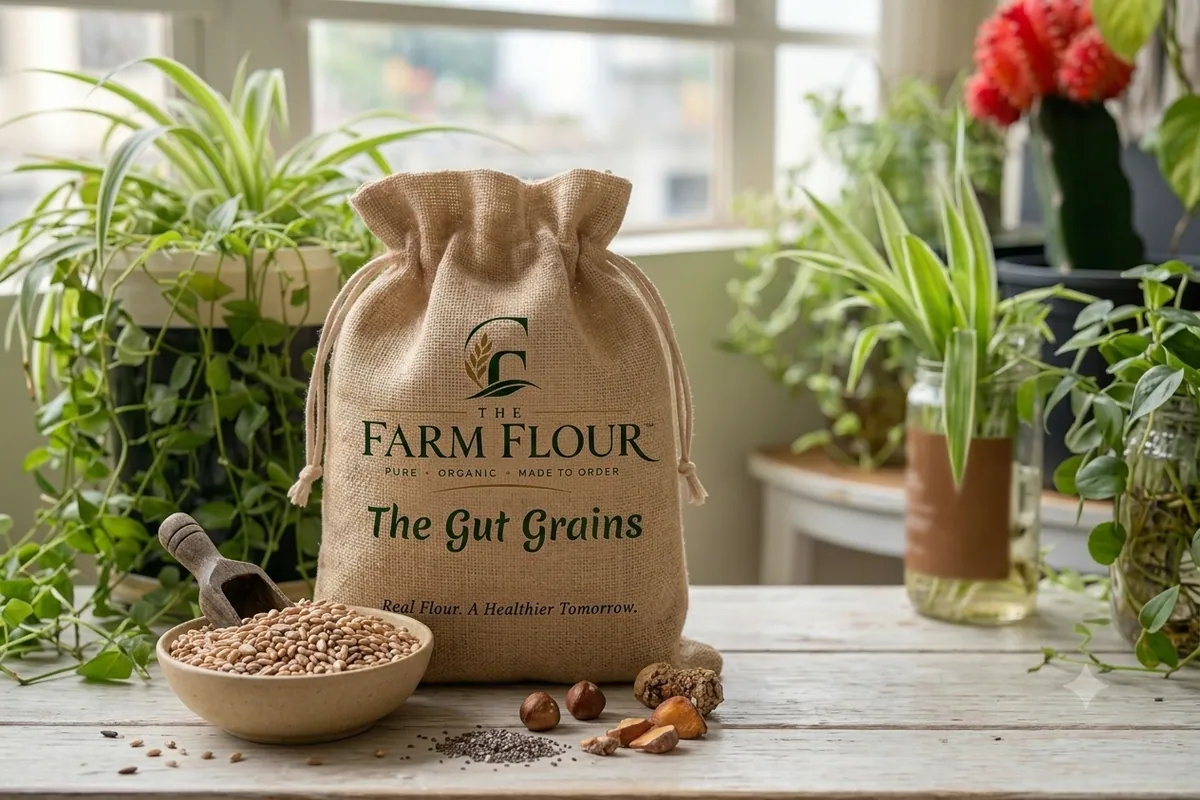
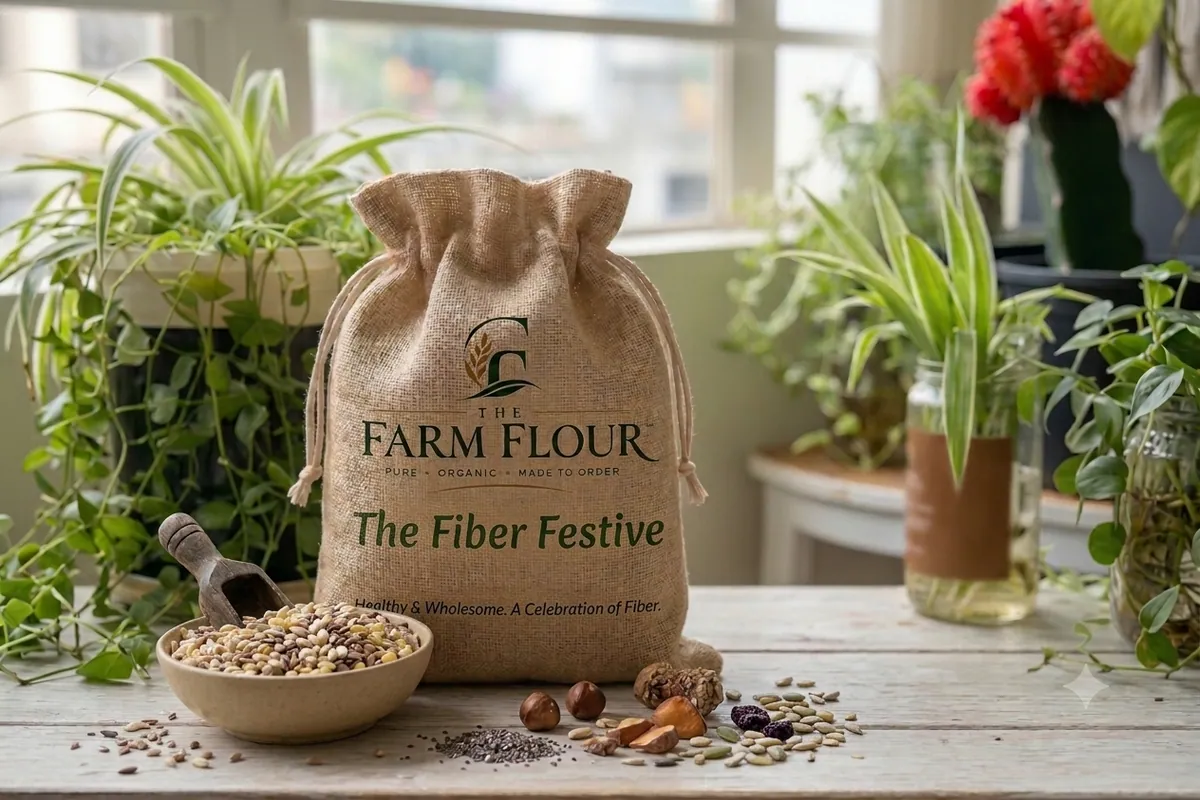
Where you will find Barley in our flours

  • The Gut Grains

    Whole grains, milled together.

    Available in 1, 2, 5 and 10 kg

    View
  • The Fibre Festive

    A celebration of grains.

    Available in 1, 2, 5 and 10 kg

    View
  • First Light

    Start the day with more in it.

    Rolls like a phulka · 7 g fibre, 6.3 g protein per 2 rotis

    Make it yours

Barley: your questions

Is barley the same as jau?

Yes. Jau (जौ) is the Hindi name for barley (Hordeum vulgare).

Does barley contain gluten?

Yes. Barley contains gluten (hordein) and is not suitable for coeliac disease or a gluten allergy.

What is beta-glucan?

A soluble fibre found in barley and oats. It is part of why barley is high in dietary fibre.

What is the difference between barley and sattu?

Sattu is a flour made from roasted barley (and often chana). Plain barley flour is made from raw, unroasted grain.

Can I make roti with barley flour alone?

It is difficult, since barley has little gluten. Blend it with wheat, 15 to 40 percent barley, for rotis that roll and puff well.

Sources and further reading

Last updated 23 October 2026. Not yet reviewed by a nutritionist.

Explore other grains

Your cart

The Farmer